
Biotech Equipment Moving: Protecting Sensitive Instruments, Specimens, and Cold Chain Integrity
Biotech facilities house some of the most environmentally sensitive equipment in any industry. Ultra-low temperature freezers holding irreplaceable biological specimens at -80 degrees Celsius. Mass spectrometers calibrated to detect molecules at parts-per-billion concentrations. Cell culture incubators maintaining precise CO2 and humidity levels that keep living cultures viable. When any of this equipment needs to relocate, the margin for error is not measured in dollars. It is measured in years of lost research, irreplaceable patient samples, and regulatory consequences that can shut down a program.
STSI transports biotech equipment with the same precision applied to the most sensitive medical devices. This guide covers the specific challenges of biotech equipment relocation: cold chain management, specimen transport protocols, vibration-sensitive instrument handling, and the documentation requirements that regulatory agencies expect.
Cold Chain Management for Ultra-Low Temperature Equipment
The Stakes
An ultra-low temperature freezer at -80°C may contain biological specimens, cell lines, tissue samples, or reagents that represent years of research investment. Some specimens are irreplaceable: patient samples from completed clinical trials, primary cell lines that cannot be re-derived, or reference standards that anchor an entire quality control program. A cold chain interruption that warms these specimens above their critical temperature threshold, even briefly, can destroy their scientific value permanently.
Pre-Move Specimen Assessment
Before any freezer is disconnected, STSI coordinates with the facility's laboratory management to assess the contents. Critical specimens are identified, and a decision is made for each: will the specimens remain in the freezer during transport, or will they be transferred to a backup freezer or dry-ice shipping container for independent transport?
For specimens that remain in the freezer, the freezer must maintain its setpoint temperature throughout the move. This requires continuous power during loading and unloading (via generator or UPS backup), a climate-controlled transport vehicle, and continuous temperature monitoring with alarm capability.
For specimens transferred to backup containers, STSI coordinates the transfer process and provides validated dry-ice shipping containers that maintain temperature for the duration of the transport. Temperature monitoring data loggers accompany each container, providing a documented temperature record from packing through unpacking.
Transport Vehicle Requirements
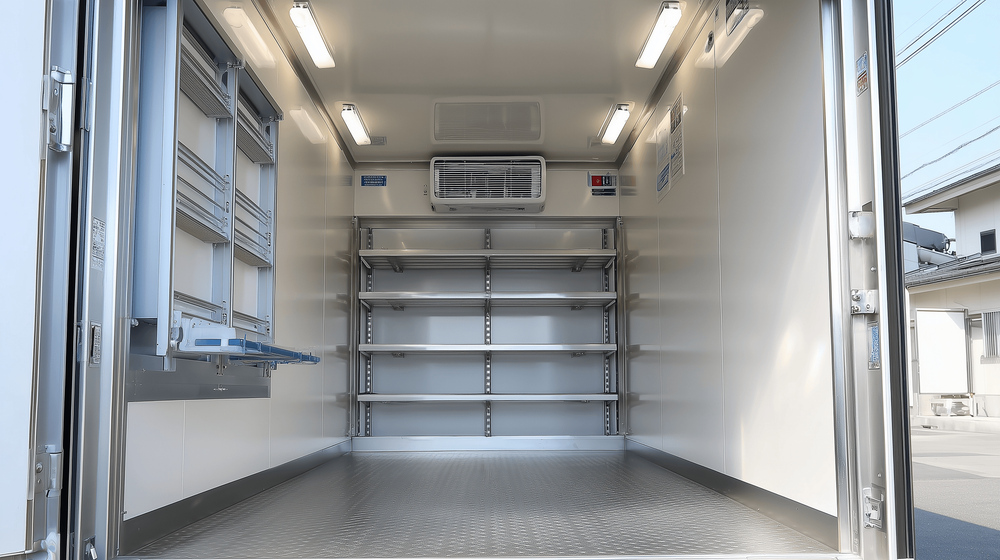
Biotech cold chain transport requires vehicles with onboard power systems capable of maintaining freezer operation during transit. STSI uses transport vehicles equipped with generator systems that provide continuous power to ultra-low freezers throughout the journey. Backup power systems provide redundancy in case of primary generator failure.
Temperature monitoring systems inside the transport vehicle provide real-time temperature data with alarm thresholds. If the temperature inside any freezer begins to rise above its setpoint, the monitoring system alerts the transport team and STSI's operations center simultaneously, enabling immediate intervention.
Vibration-Sensitive Instrument Handling
Analytical Instruments
Mass spectrometers, liquid chromatography systems, electron microscopes, and flow cytometers contain precision optical and mechanical components that are sensitive to vibration and shock. A mass spectrometer that is bumped during transport may require weeks of recalibration by the manufacturer's service team. An electron microscope that experiences excessive vibration may need column realignment that only a handful of specialists in the country can perform.
STSI transports vibration-sensitive analytical instruments using pneumatic suspension vehicles with vibration monitoring instrumentation mounted on each instrument's shipping crate. The vibration data is recorded throughout the journey and included in the project documentation package, providing objective evidence of the transport conditions for the facility's quality records.
Custom Packaging
Each analytical instrument receives custom packaging designed for its specific dimensions, weight distribution, and vibration sensitivity profile. Foam-in-place packaging conforms exactly to the instrument's exterior geometry, distributing loads evenly and dampening vibration transmission. Anti-static packaging materials protect electronic components from electrostatic discharge during handling.
Specimen Transport Logistics
Regulatory Requirements
Biological specimens transported between facilities are subject to DOT hazardous materials regulations (for infectious substances), IATA dangerous goods regulations (for air transport), and facility-specific biosafety protocols. The packaging, labeling, and documentation requirements for specimen transport vary based on the classification of the biological material being shipped.
STSI coordinates specimen transport documentation with the facility's biosafety officer, confirming that packaging meets the applicable regulatory standards and that shipping documents are complete and accurate before any specimens leave the facility.
Temperature Documentation
Every specimen shipment requires an unbroken temperature record from origin to destination. STSI deploys calibrated data loggers with each specimen container, providing temperature readings at intervals appropriate to the specimen's sensitivity. The temperature data is downloaded and included in the delivery documentation, providing the receiving facility with objective evidence that the cold chain was maintained throughout transport.
Post-Move Validation
Equipment Commissioning
Biotech equipment requires post-move validation that confirms operational performance in the new environment. Ultra-low freezers need temperature stabilization monitoring over 24 to 48 hours to confirm that the compressor system is performing correctly in the new installation conditions. Analytical instruments need calibration verification using reference standards. Cell culture incubators need CO2 and temperature verification.
STSI coordinates post-move validation scheduling with the facility's laboratory management and any OEM service providers involved in equipment commissioning. The goal is to move the equipment from transport to validated operational status in the minimum time consistent with thorough verification.
Why STSI for Biotech Equipment Moving
STSI's white-glove approach to biotech equipment moving combines the environmental controls of cold chain logistics with the precision handling required for analytical instruments and the regulatory documentation required for specimen transport. The conception-to-completion model means STSI manages every phase from packaging through post-move validation, providing a single point of accountability for the facility's most sensitive assets.
Get a quote for your biotech equipment relocation from STSI. https://spectransport.com/industries/medical-equipment
Related Services
Contact STSI
- Location: Berlin, CT - 24/7/365
- Email: STSI@Spectransport.com
- Phone: (860) 828-3286
About the Author
JP Demko
Co-founder
Specialty Transport Solutions International
JP Demko co-founded STSI in 1999 and has spent over 25 years building the company into a Fortune 500-trusted specialty logistics provider. His hands-on experience spans data center relocations, trade show logistics, and heavy equipment transport across 50+ countries, giving him firsthand knowledge of the operational challenges enterprises face.
Talk to an Expert
Ready to Move? Let's Talk.
Fill out the form and our team will get back to you within 24 hours.